
What Is a Handwoven Rug?

What Is a Handwoven Rug? The Knot-by-Knot Legacy of Art from Past to Present
Rugs that add warmth to our homes, dazzle us with their colors, and often tell a story are an indispensable part of our living spaces. However, not all rugs are the same. Handwoven rugs in particular represent far more than mass-produced factory rugs — they are works of art, cultural heritage, and the pinnacle of craftsmanship. So, what is a handwoven rug, and what features distinguish a genuine handwoven rug from others?
Handwoven Rug: Where Art and Craft Meet
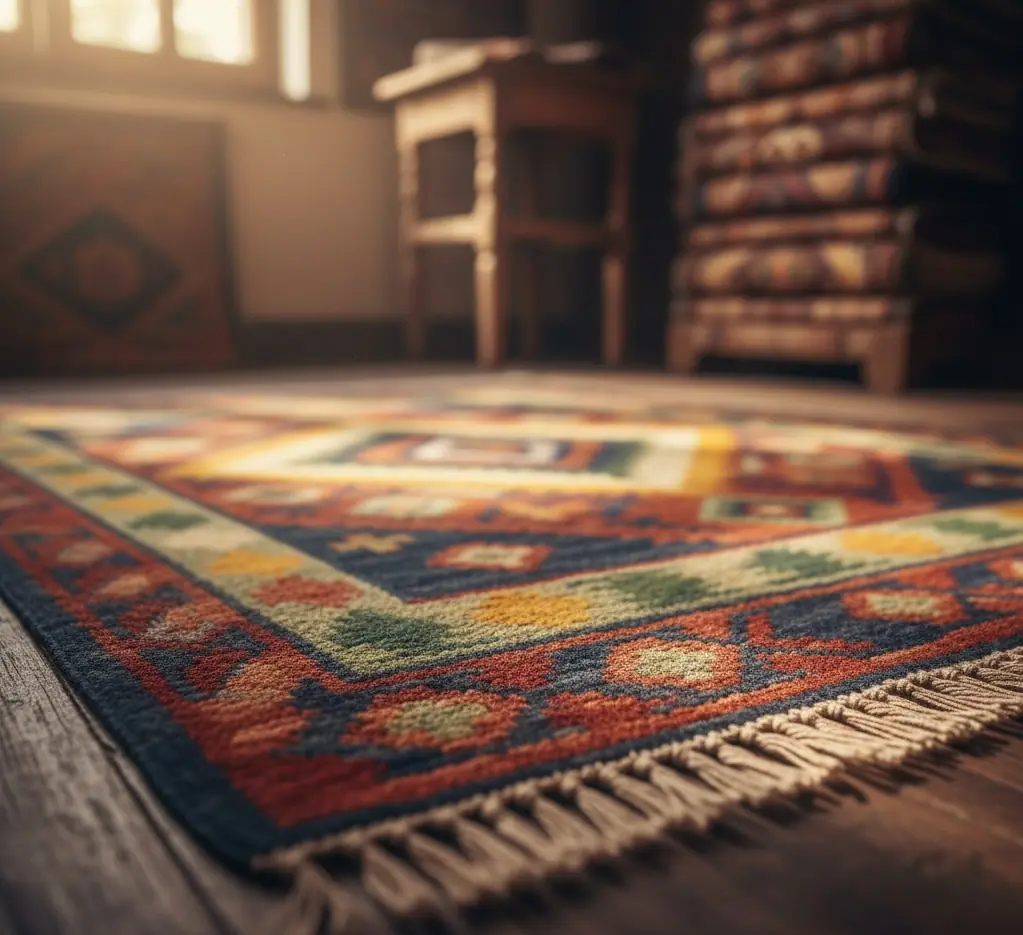
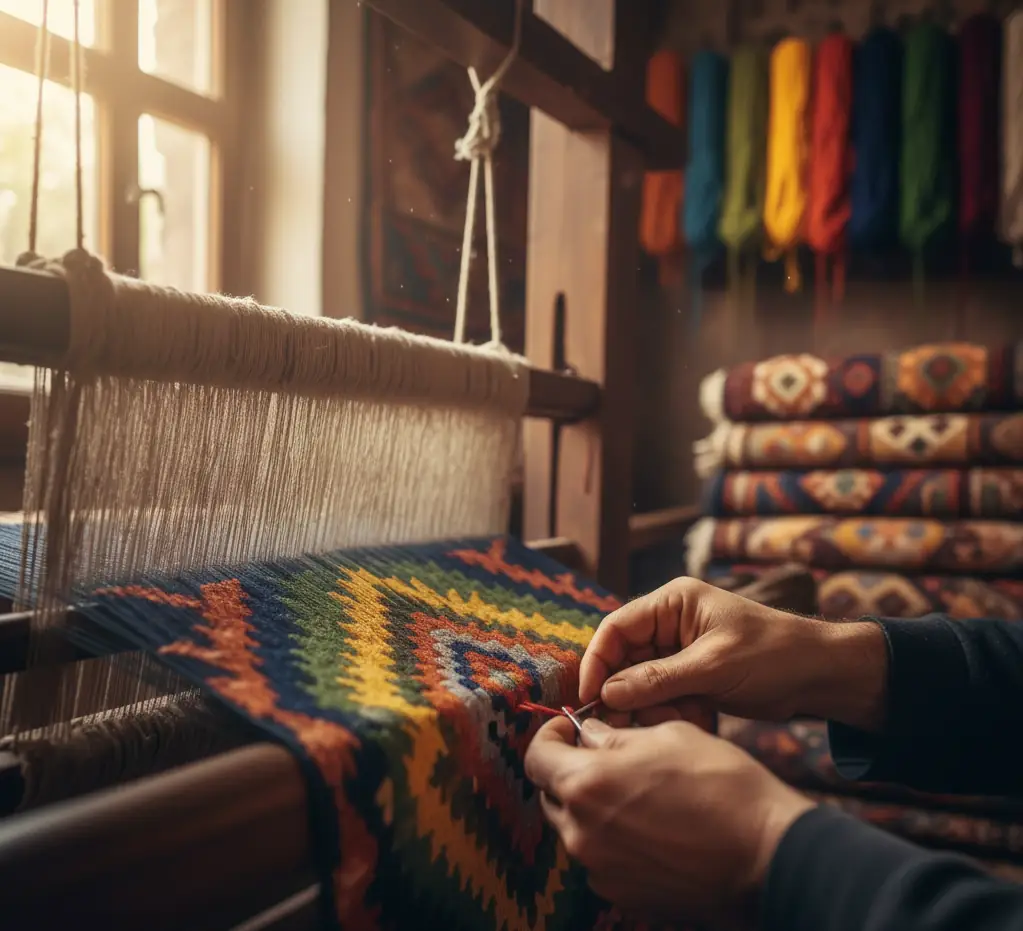
A handwoven rug, as the name suggests, is produced entirely by human hand on traditional looms, knot by knot. No machinery is used in this process. The weaver ties each knot individually to create the patterns, giving the rug a unique character. These rugs are not merely a floor covering — they are like paintings reflecting the history, culture, beliefs, and even the emotions of the weaver from the region where they were made. Colors, patterns, and motifs carry centuries-old traditions and symbols.
How to Identify a Genuine Handwoven Rug? Distinguishing Features
Identifying whether a rug is handwoven requires some attention and knowledge. Here are the key features:
1. The Back Side (Reverse): The Artist's Signature The back of a handwoven rug is never perfectly symmetrical. While machine-made rugs have knots of identical size and arrangement, handwoven rugs show slight irregularities, asymmetries, and small differences in knot size and placement. This is the most obvious sign the rug was made by hand. The patterns on the front should also be clearly traceable on the back — the more defined the back pattern, the denser the weave and the higher the quality.
2. Irregularities The back of a handwoven rug is never perfectly symmetrical. Unlike machine-made rugs where every knot is identical, handwoven rugs display slight irregularities and asymmetries in knot size and arrangement — the most telling sign of handcraft.
3. Pattern Clarity The patterns on the front of the rug should be clearly traceable on the back as well. The more defined the pattern on the back, the denser the weave, indicating higher quality.
4. Fringes: A Natural Extension of the Rug In genuine handwoven rugs, the fringes are a continuation of the warp threads — not separate pieces sewn on afterward. They begin as part of the rug's body and form a natural extension at each end. In machine-made rugs, fringes are typically sewn or glued onto the edges.
5. Integrated with the Body In genuine handwoven rugs, fringes are a continuation of the warp threads and are not separate pieces attached afterward. They begin as part of the rug and form a natural extension at each end. In machine-made rugs, fringes are typically sewn or glued on.
6. Colors and Dye Quality: The Magic of Natural Dyes Handwoven rugs may show slight variations in tone within the same color — lightening or darkening — known as "abrash," which is more pronounced in naturally dyed rugs. This occurs because dye is prepared in different batches or yarn absorbs it differently. This is not a flaw but a mark of natural authenticity. Traditional handwoven rugs are colored with natural dyes derived from plants, minerals, and insects. Rather than fading over time, these dyes enrich the rug's character and become more beautiful. Chemical dyes, on the other hand, may wear out and lose their vibrancy.
7. Abrash (Tone Variations) Slight variations in tone within the same color — known as "abrash" — are more pronounced in naturally dyed rugs. This results from dye being prepared in different batches or yarn absorbing it differently. It is not a defect but a sign of authenticity.
8. Natural Plant-Based Dyes Traditional handwoven rugs are colored with natural dyes derived from plants, minerals, and insects. These dyes grow richer and more beautiful over time rather than fading, while chemical dyes may wear out and lose their vibrancy.
9. Material Quality: The Touch of Nature Handwoven rugs typically use high-quality natural fibers such as wool, cotton, or silk, providing both durability and a soft, natural texture. Machine-made rugs more commonly use synthetic fibers. In wool rugs particularly, the sheen, elasticity, and slightly oily texture of the wool are important quality indicators — good wool makes the rug more resistant to stains and wear.
10. Natural Fibers Handwoven rugs generally use high-quality natural fibers such as wool, cotton, or silk, providing durability and a soft, natural texture. Machine-made rugs more commonly feature synthetic fibers.
11. Wool Quality In wool rugs, the sheen, elasticity, and slightly oily texture of the wool are key quality indicators. Good wool makes the rug more resistant to stains and wear.
12. Weave Density and Intensity: Value Per Knot Weave density (knots per square meter) reflects the quality and labor invested in the rug. Denser weaves generally allow for more detailed patterns and greater durability. You can assess knot density by counting or closely examining the back of the rug.
13. Hand Adjustment Weave density reflects the quality and effort put into the rug. Denser weaves generally allow for more detailed patterns and greater durability, assessable by examining the back of the rug.
14. Flexibility and Weight: The Feel of Quality Genuine handwoven rugs are generally more flexible and supple — when lifted or folded, they fall softly like fabric. Thanks to quality wool and dense weaving, they are also typically heavier relative to their size.
15. Drapability Genuine handwoven rugs are more flexible and supple. When lifted or folded, they fall softly like fabric.
16. Weight Thanks to quality wool and dense weaving, handwoven rugs are generally heavy relative to their size.
Why Choose a Handwoven Rug?
- Durability and Longevity: When properly cared for, they can last centuries and even increase in value over time.
- Artistic Value: Each one is a unique work of art that adds unmatched character to your home.
- Investment Value: Some rare and antique handwoven rugs gain significant investment value over time.
- Natural and Healthy: Made with natural fibers and plant-based dyes, they are eco-friendly and health-conscious.
- Warmth and Acoustics: The natural properties of wool provide excellent thermal and sound insulation, adding a warm and inviting atmosphere to your home.
Conclusion
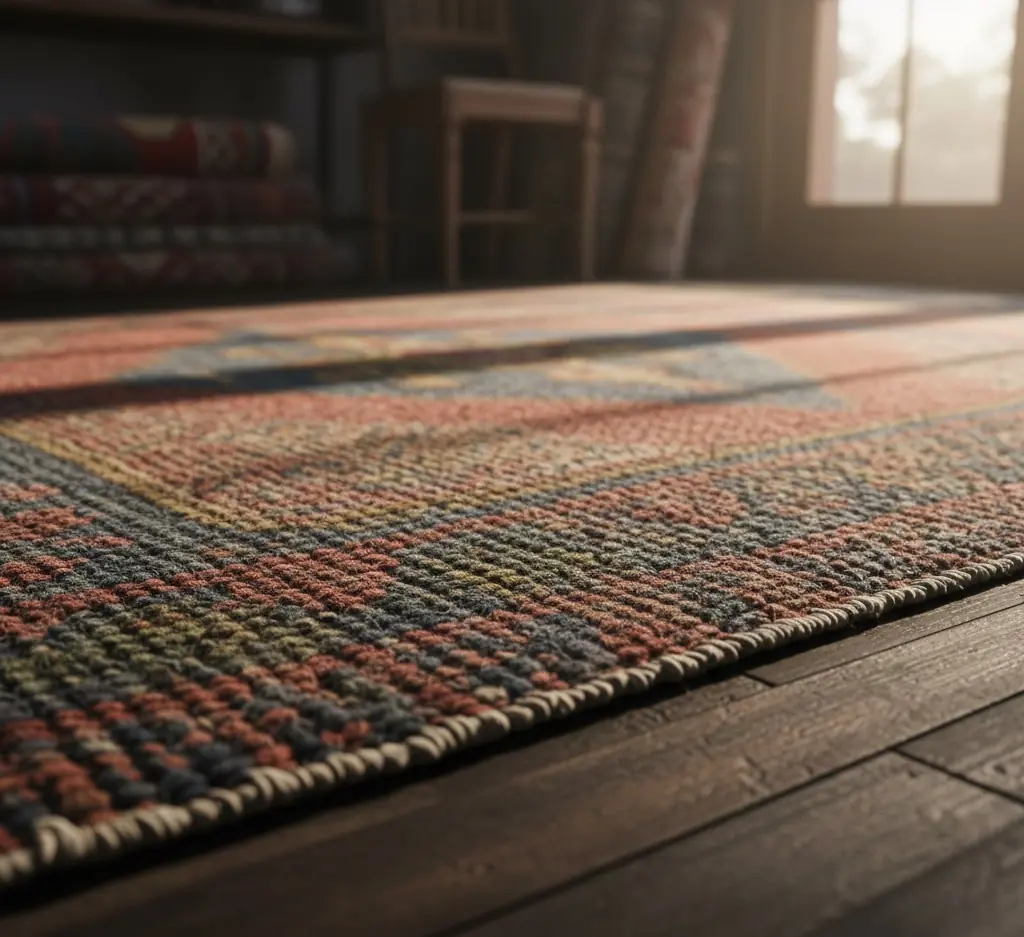
Handwoven rugs are not merely decorative objects — they are a bridge from the past to the present, storytellers woven with patience and love by master craftspeople, valuable heirlooms that can be passed down from generation to generation. For your next rug purchase, you might consider stepping into the enchanting world of these one-of-a-kind masterpieces.