
What Is a Handwoven Kilim?

Bring the Soul of Anatolia into Your Home: What Is a Handwoven Kilim?
A timeless choice for those seeking elegance in home décor, handwoven kilims are not merely floor coverings — they are the expression of thousands of years of culture, labor, and lived experience. So what sets them apart from mass-produced factory products? Why should you make room for a handwoven kilim in your home? Here is everything you need to know about handwoven kilims.
What Is a Handwoven Kilim?
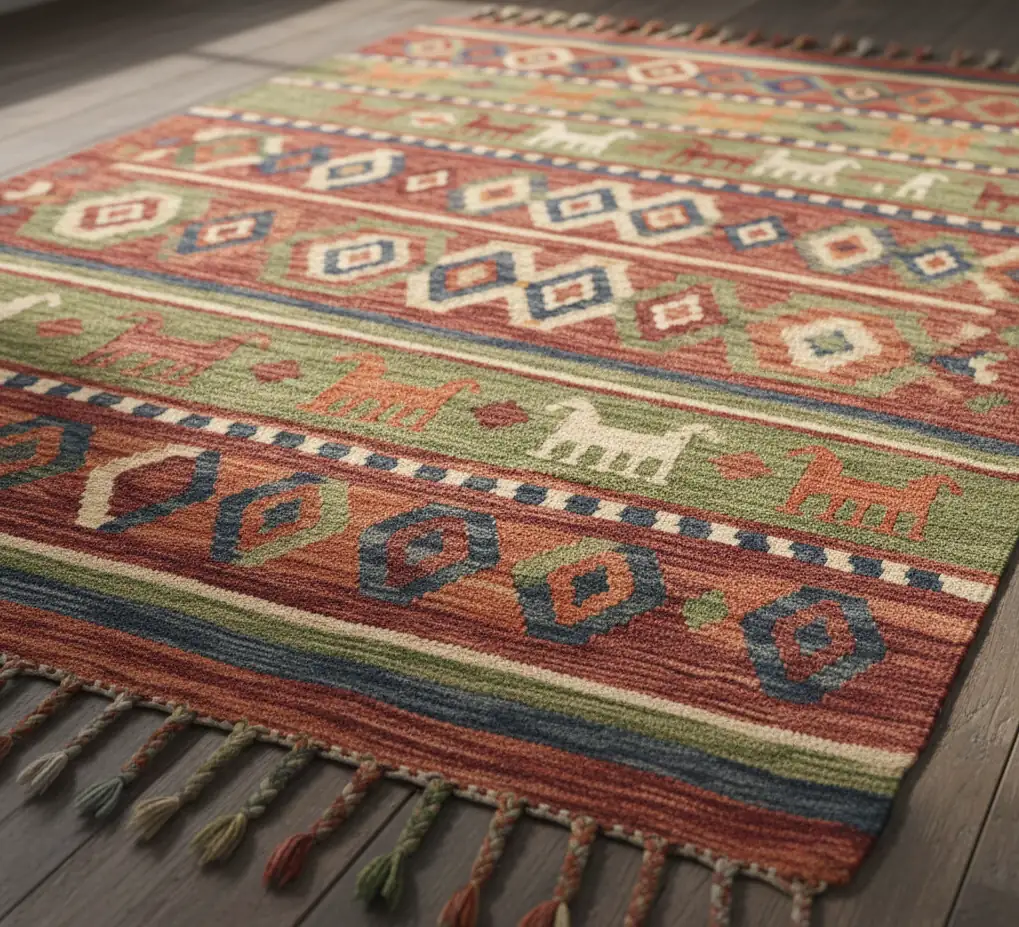
A handwoven kilim is a type of textile created by weaving cotton, wool, or silk threads knot by knot on traditional hand looms (ıstar or vertical loom) entirely by human power and hand labor, without any machine assistance. Its biggest difference from a rug is the absence of pile height — meaning it is produced using a flat weave technique.
What Makes a Kilim "Handwoven"?
- Natural Materials: Sheep's wool or cotton, usually dyed with natural plant-based dyes, is typically used.
- Knotting and Craftsmanship: Every knot carries the maker's personal touch. That is why no two handwoven kilims are exactly alike.
- The Beauty of Imperfection: Unlike the flawless symmetry of factory-made products, the slight pattern variations in handwoven pieces are proof of their originality.
Types of Handwoven Kilims and the Language of Motifs
Every region of Anatolia has its own distinct weaving technique and color palette. Kilims from Eşme, Bergama, Fethiye, or Uşak each tell a story through their motifs.
- Abundance Motif: Symbolizes the increase of prosperity in the home.
- Hands on Hips (Eli Belinde): Represents femininity, motherhood, and fertility.
- Scorpion and Eye: Woven for protection against the evil eye and negative energy.
When combined with modern décor, these motifs lend your home both an authentic atmosphere and a distinctive character.
Why Should You Choose a Handwoven Kilim?
- Long-Lasting: While synthetic products deteriorate within a few years, a quality handwoven kilim can be used for generations — and even gains vintage value as it ages.
- Healthy: Made from natural wool and cotton, it has antistatic and antibacterial properties and contains no plastic-based chemicals.
- Sustainable: Its eco-friendly production process causes no harm to the environment.
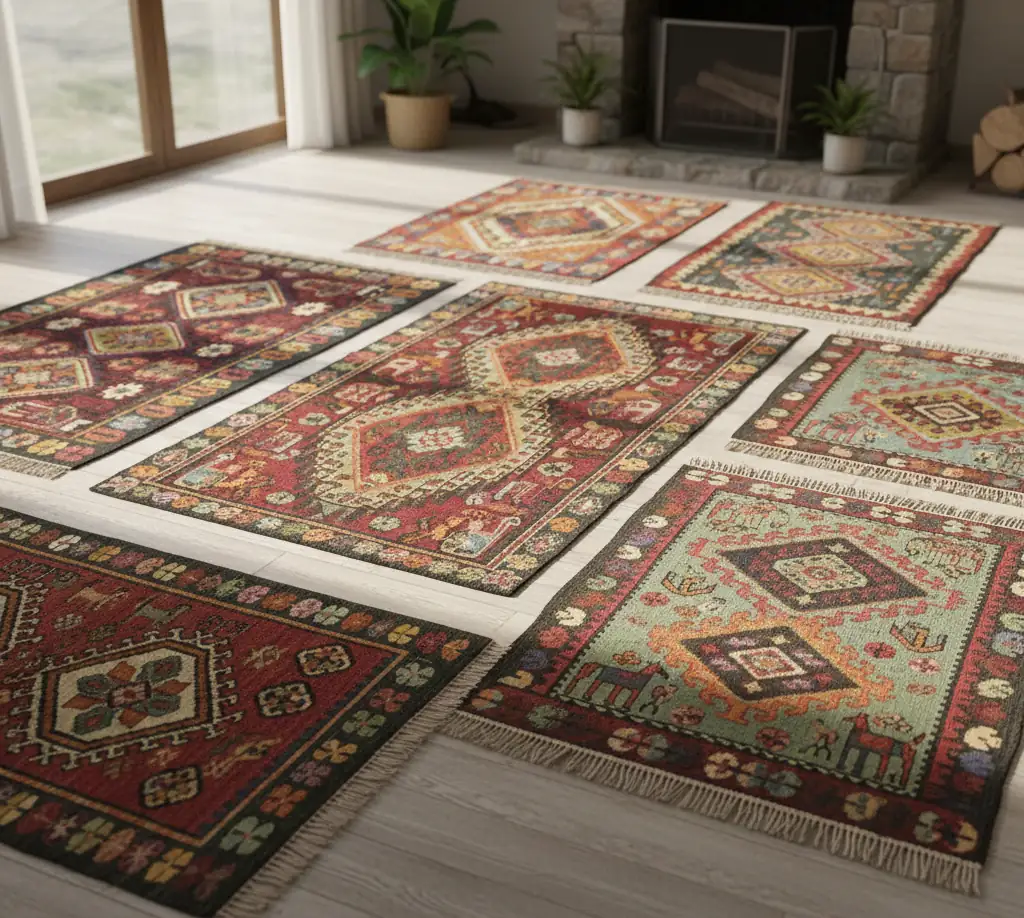
- One of a Kind: A handwoven kilim purchased from our website will exist only in your home, nowhere else in the world.
How to Care for a Handwoven Kilim?
Protecting these labor-of-love pieces is not as difficult as you might think:
- Vacuuming: Clean regularly with a vacuum cleaner on low power.
- Airing Out: Airing your kilim at regular intervals allows the wool fibers to breathe.
- Stain Treatment: When a stain occurs, use natural soap and a damp cloth instead of chemical bleaches.
Choosing a handwoven kilim means supporting a craft and adding soul to your living space. These unique pieces, which harmonize with every style from modern minimalist apartments to rustic country homes, are ready to become the signature piece of your home.